
From Independent Entrepreneur to Franchise Owner: What Changed Her Mind
Diana Miller shares her path to multi-territory ownership in this Voice of the Franchisee conversation
The argument against buying a franchise is almost always the same. You pay a franchise fee upfront, then royalties on top of that, every month, indefinitely. What exactly are you buying? A brand name on your truck and someone else’s rules in your playbook.
Diana Miller is exactly the kind of person that argument was written for. By the time she signed her Pinks Windows franchise agreement, she had five years of real estate projects behind her: rental properties, house flips, and an Airbnb that became one of the top-ranked in Chattanooga. She and her husband Mike had built things, figured things out, and absorbed the cost of getting things wrong. They were not looking for someone to hand them a business; they were looking for the right structure to put their work inside.
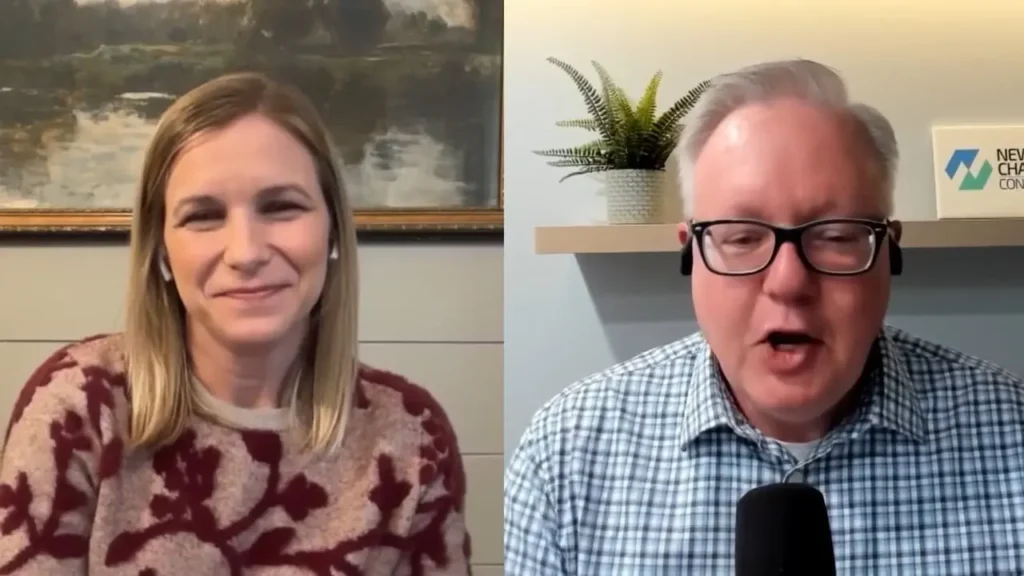
In this Voice of the Franchisee conversation, I sat down with Diana Miller, Pinks Windows franchise owner and franchise consultant with the Franchise Brokers Association, to talk through her path from former teacher and stay-at-home mom to multi-territory owner now scaling into a second market. Diana owns five territories across Chattanooga and North Metro Atlanta. She bought them in that quantity on day one because she already knew where she intended to go.
Before franchise ownership was seriously on their radar, Diana and Mike were stacking experience the hard way. They took equity from their home, partnered with family, and turned a Chattanooga property into one of the top-ranked Airbnbs in the city. When Chattanooga banned new short-term rentals, they pivoted to house flipping, joined a mastermind to learn the trade, and completed three projects back to back, each one building on what the last had taught them.
The third flip was a house they held for over a year and a half. Mike acted as general contractor, managing more than twenty subcontractors, absorbing delays, and chasing people down week after week. The project succeeded, but Diana came out of it with a very specific list of things she never wanted to do again, and first on that list was having Mike’s availability determine whether everything moved forward or stopped.
When entrepreneur and media personality Cody Sanchez announced her investment in ResiBrands, the parent company behind Pinks Windows, something clicked for Diana. She had spent years assembling support in whatever form she could find it: mastermind memberships, YouTube deep-dives, a coaching group that walked her through business acquisitions, peer networks she found one at a time. Each piece helped, but none of it was built for her situation, tested against it, or designed to work together. A franchise system is something different: infrastructure built deliberately, refined across a network of owners, and handed to you ready to use from day one.
They looked at other home services concepts before committing, and that step proved decisive. During validation calls with owners of a competing brand, Diana noticed a pattern: those owners were still doing project management, often forty to sixty hours a week. It was the same problem she had tried to leave behind, showing up in a different business. Pinks was different, and the reason came down to role fit.
Mike could lead a field crew, which matched his background as a firefighter and his instinct for working alongside people in physical environments. Diana could focus on hiring, culture, and community outreach. The model asked each of them to do what they were already good at.
This is the question that tends to get skipped in franchise research. Diana did not go into her search asking whether a concept would succeed. She came in asking whether the daily demands of this specific model matched who she and Mike already were. She had enough evidence from their previous projects to trust their ability to execute; what she needed was confirmation that the role itself was the right one.
That reframe changes what you look for during validation. You stop asking whether other owners are doing well and start asking whether their daily work sounds like yours, or like the thing you are trying to leave behind. You are no longer evaluating a concept in the abstract; you are evaluating a role.
The fee objection looks different from inside the business. Diana’s marketing through Pinks runs at a fraction of what she estimates she would pay an independent vendor, because that vendor serves hundreds of Pinks owners rather than just one. The operational systems, weekly scorecards, and onboarding tools exist because someone built and tested them before she arrived, across a network large enough to make the investment worthwhile. A coaching group can show you where to look; it cannot hand you a platform that has already been proven in markets like yours.
When she and Mike were invited to bid on a major new stadium being built in Chattanooga, they had the brand recognition to take that call. Without the franchise network behind them, that door does not open. Most people who go it alone absorb costs like that one without ever naming them.
A lot of people drawn to business ownership carry a strong independent streak, and that streak is not a liability; it is what makes owners effective. But it can make the franchise fee feel like a compromise, as though paying it means admitting you could not have figured things out on your own. Diana did figure things out on her own, multiple times and across multiple industries, before she ever walked into franchise ownership.
She knows exactly what it costs to source every vendor independently, to absorb hiring mistakes without a community of peers who have already made the same ones, to build recurring revenue when your previous model reset with every new project. The franchise did not replace her ability to work hard. It gave her a platform where that work compounds.
Diana now helps other prospective owners go through their own version of this process as a franchise consultant. She looks for people who want what she has: a business with systems already in place, a network of other owners willing to pick up the phone, and a model where no single person holds everything up. She is not looking for people who want passive income; she is looking for people who want to work hard at the right thing and are open to seeing all their options first.
If Diana’s story sounds like yours, the next step is a conversation. Book a call with me and we will look at what the right structure might be for where you are trying to go.