
When people hear the word restoration, they usually picture crews tearing out drywall, running dehumidifiers, and racing against the clock after a flood or fire. What often gets overlooked is what happens to everything inside the building. The personal items. The equipment. The things that cannot simply be replaced with a check.
That gap is where a specialty restoration franchise operates.
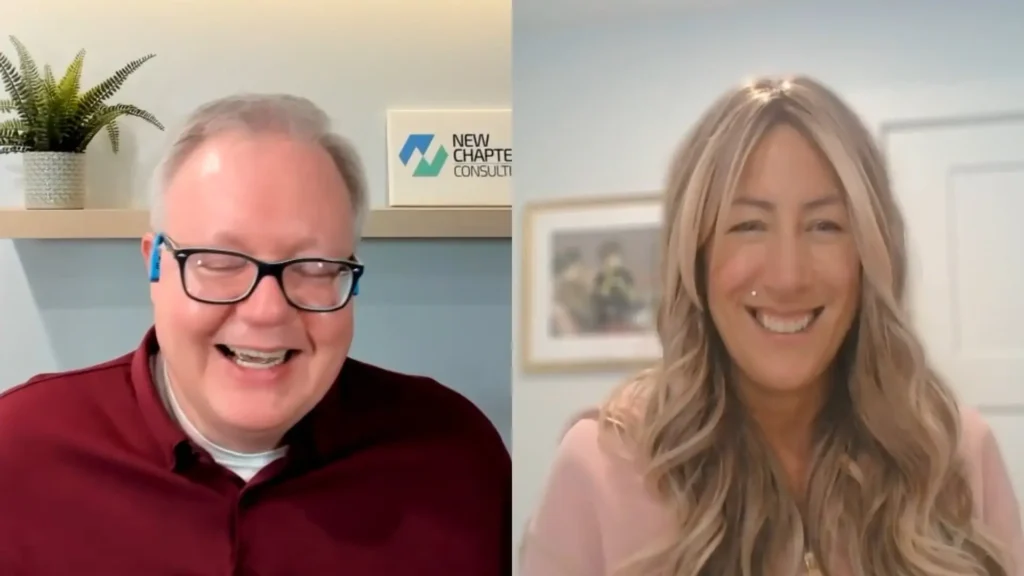
This post is based on a long-form Franchise Spotlight conversation between Scott Elliott and Jamie Lavigne, Director of Franchise Development for Prism Specialty Restoration. It offers a practical look at what this niche really is, who it is right for, and why it has become attractive to certain franchise candidates.
What specialty restoration really means
Specialty restoration focuses on contents, not structures.
After a fire, flood, or storm, a mitigation company is usually called first. They stabilize the property. They remove water. They secure the site. Once that work is done, the question becomes what to do with everything inside.
That includes clothing, rugs, electronics, artwork, documents, appliances, and commercial equipment. Some of it has monetary value. Much of it has emotional or operational value that cannot be recreated.
Prism’s role is to inventory those items, pack them out, restore what can be saved, and store them until they are ready to be returned. The work happens in homes and businesses. A residential job might involve family heirlooms and personal belongings. A commercial job might involve equipment that keeps a business running.
The work is less visible than mitigation. It is also more specialized.
Why this niche exists at all
Many restoration companies do not want to handle contents, even those that have the capability. It is detailed work. It requires organization, documentation, and patience. It does not fit the emergency response mindset that drives mitigation.
That creates opportunity.
Specialty restoration operates with a different rhythm. Jobs are approved through insurance. Work is scheduled. Most activity happens during normal business hours. Owners are not racing out the door at 2 in the morning.
For some franchise candidates, that difference alone changes how the business feels.
Who tends to do well in this business
Prism franchisees are not defined by technical backgrounds. They are defined by how they build relationships.
Sales in specialty restoration is not transactional. Owners and salespeople spend time with mitigation contractors, adjusters, and insurance partners. Trust matters. Familiarity matters. Being the person others call when something goes wrong matters.
People who succeed usually enjoy:
– Building long-term professional relationships.
– Being visible in their local business community.
– Managing operations rather than performing the technical work themselves.
– Knowing their work helps people recover after disruption.
People who struggle tend to be those who want to avoid sales entirely or expect a hands-off investment from the start. This is not a passive model on day one. Owners earn leverage over time.
What ownership actually looks like
New owners are expected to be involved. They hire a salesperson early. They oversee technicians. They coordinate jobs and manage relationships.
The schedule is generally predictable. Most work is done Monday through Friday. There are phone calls outside business hours from time to time, but the urgency level is lower because mitigation has already addressed the immediate crisis.
Many owners expand into multiple territories. Some have been in business long enough that their children, second generation owners, now run the business. This is not an emerging experiment. It is a mature system that continues to evolve.
Staffing without the intimidation factor
A common concern is whether owners need rare or highly credentialed talent. In practice, staffing is more approachable than it sounds.
Textile restoration is largely process-driven. Organization matters more than prior experience. Electronics restoration requires comfort with components and diagnostics, similar to a skilled technician or handyman background. Art restoration is trained internally through Prism’s structured programs.
The franchisor provides training for technicians. Owners are not expected to invent systems or techniques on their own. When larger or more complex projects arise, franchisees lean on each other and on specialized subcontractors.
That collaboration is one of the quiet advantages of a seasoned system.
How the money flows
Most work is insurance-backed. That removes the question of whether a customer can pay, but it introduces the need to manage timing.
Franchisees are paid for:
– Pack-out and inventory services.
– Approved restoration work.
– Storage over time.
Experienced owners structure projects to receive payments in stages rather than waiting until the end. That requires planning and the confidence to negotiate.
Investment and facilities in plain terms
Prism today encourages franchisees to operate all major service lines. That affects the upfront investment, which commonly lands around the high two hundreds to low three hundreds depending on market and facility choices.
The largest variable is warehouse space. Restoration work and storage can be combined or separated depending on local costs. Many owners keep storage facilities outside dense areas to manage rent.
Owners typically start with one box truck and scale equipment over time. This is not a build-everything-upfront model unless the owner chooses that path.
Why this model holds up over time
Specialty restoration is driven by loss events. Fires, floods, storms, and accidents do not follow economic cycles.
The work is not easily automated. It is not displaced by software. Artificial intelligence cannot restore personal belongings or coordinate insurance-driven recovery.
For candidates who prioritize resilience and downside protection, this matters.
The human side of the business
Jamie summarized Prism’s purpose simply:
They restore memories that cannot be replaced.
That idea resonates with owners who want more than a purely transactional business. It also explains why trust and reputation matter so much in this niche. People remember who helped them recover when something went wrong.
A final thought for prospective owners
A specialty restoration franchise is not for everyone. It is not passive. It requires relationship-building and operational oversight.
For the right person, it offers something rare. Predictable hours. Insurance-driven demand. Scalable growth. And work that genuinely helps people put things back together.
For candidates looking beyond obvious franchise categories, specialty restoration is worth understanding on its own terms.