
Scenthound: The Pet Wellness Franchise Built on Dog Health, Not Haircuts
Franchise Spotlight | Tony Nicholson, VP of Franchise Development, Scenthound
The groomer with great scissors built someone else’s business. It is the structural problem at the center of traditional pet grooming that most people evaluating a pet wellness franchise opportunity never think to ask about. A talented groomer can spend years building a loyal client book inside your location, then wake up one Wednesday morning with a simple realization: those clients are probably loyal to him, not to you. In most cases, he is right.
That single dynamic has kept traditional grooming fragmented for decades. The business depends on a skilled groomer, the groomer can leave whenever the math makes sense, and the clients almost always follow. When I sat down with Tony Nicholson, Vice President of Franchise Development at Scenthound, his opening description of the category stopped me cold: traditional grooming, he said, is a commodity. Scenthound spent years designing its way out of that category entirely.
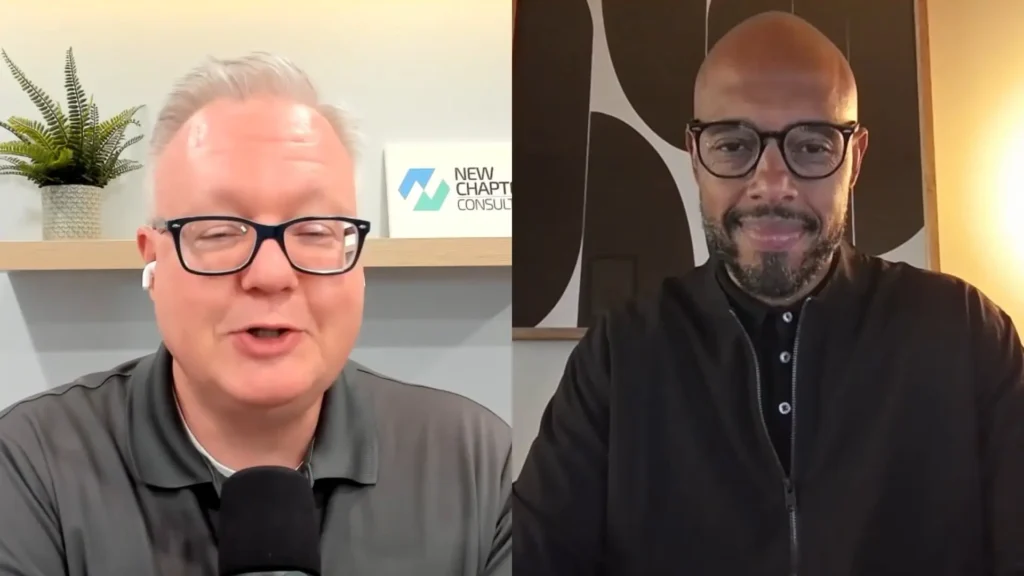
In this Franchise Spotlight conversation, I spoke with Tony Nicholson, who serves as VP of Franchise Development at Scenthound and is also a multi-unit Scenthound franchisee in South Florida. Tony brings over two decades of franchising experience, including time as a multi-unit Anytime Fitness franchisee and senior development roles across multiple growing brands. Our conversation covers what Scenthound actually delivers to dog owners, how the membership model works, and what makes the concept structurally different from anything else operating in the pet services space.
A Business Built to Outlast Its Own Best Employee
Tony spent years as a multi-unit Anytime Fitness franchisee before entering the pet space, which gives him an unusual frame for describing what Scenthound built. The comparison he keeps coming back to: the membership model changed the gym business the same way Scenthound’s model is reshaping pet care. Monthly visits, measurable outcomes, recurring revenue tied to something a customer needs rather than something they want when it’s convenient.
Scenthound made a deliberate choice to move 90 percent of its service away from grooming in the traditional sense. Only 10 percent of what they offer involves a haircut or a styled finish. The rest is routine hygiene and preventive care: baths, nail trims, ear cleaning, teeth brushing, weight checks, and a health assessment conducted at each visit using a proprietary iPad-based scoring system called the Scent Check.
The Scent Check evaluates a dog across six key areas organized around an acronym built from the brand’s own name: skin, coat, ears, nails, teeth, and glands. Each area is scored on a scale of one to five, and those scores are logged into a mobile app the dog owner can track over time. What builds is a longitudinal health picture that no traditional groomer collects, because traditional grooming was never designed to collect it.
That shift in purpose changes how a customer relates to the business. A dog owner who brings their dog in for a bath is a transactional customer. A dog owner who has watched their dog’s ear scores climb over ten months of consistent visits is a member with a reason to stay, and the data making the case is sitting in an app on their phone. Tony frames the distinction plainly: Scenthound is a needs-based business. Most of the pet services market is wants-based. That distinction is the foundation of the entire model.
Needs Beat Wants When the Economy Softens
The natural skepticism here is understandable. The pet services market has no shortage of franchise concepts that have positioned themselves around health, wellness, or premium care in their marketing at some point. The category sounds like a differentiator until you look at what most of those businesses actually deliver: a bath, a blowout, a haircut. Services a pet owner wants, not services their dog requires on a recurring monthly basis.
What Scenthound built is a membership model where the value proposition rests on health outcomes rather than aesthetics. Tony cites a statistic worth sitting with: roughly 45 percent of pet owners spend as much, or more, on their dog’s health care as they spend on their own. That is a health care customer, and health care customers behave differently when budgets tighten.
Tony is deliberate about his language on this point. He does not call his business recession-proof; his word is resistant. If a household needs to cut spending, grooming appointments are an easy line to remove. A service tied to whether a dog’s health scores are trending in the right direction carries a different weight, particularly when the data is updated every 30 days.
You Don’t Have to Love Dogs to Own This Business
The misconception I hear most often from candidates looking at a concept like this is that passion for dogs is a prerequisite for ownership. Tony pushes back on this directly. The service model is trainable, the staffing is intentionally cross-trained across roles, and the executive ownership path means most franchisees are managing a manager rather than performing services themselves.
Most of Tony’s franchisees hold a W-2 job when they open their first location. The model is built to accommodate that, with a dedicated business coach, a commercial real estate partner, marketing support, and a grand opening team as part of the launch process. The goal, as Tony describes it, is co-authorship: the franchisee brings investment and engagement, and the franchisor brings systems, data, and a playbook that improves every year.
What Tony does say is that when passion for animals is present, it tends to show up in performance. Franchisees who love dogs tend to cluster toward the top of the system. That matters less as a filter and more as a lens on motivation: knowing which kind of candidate you are going in is useful information.
What Becomes Possible
Scenthound serves roughly 80,000 dogs per month across more than 160 locations in 34 states, with an investment range of $300,000 to $500,000 to open a location. It’s on the SBA registry, so SBA funding is an option for qualified buyers.
If you are thinking about business ownership and want to think through whether this kind of opportunity fits your goals and your situation, I am a good first call. Book a 20-minute, no cost, no obligation call with me and let’s talk.